ABOUT
Caroline Nichols
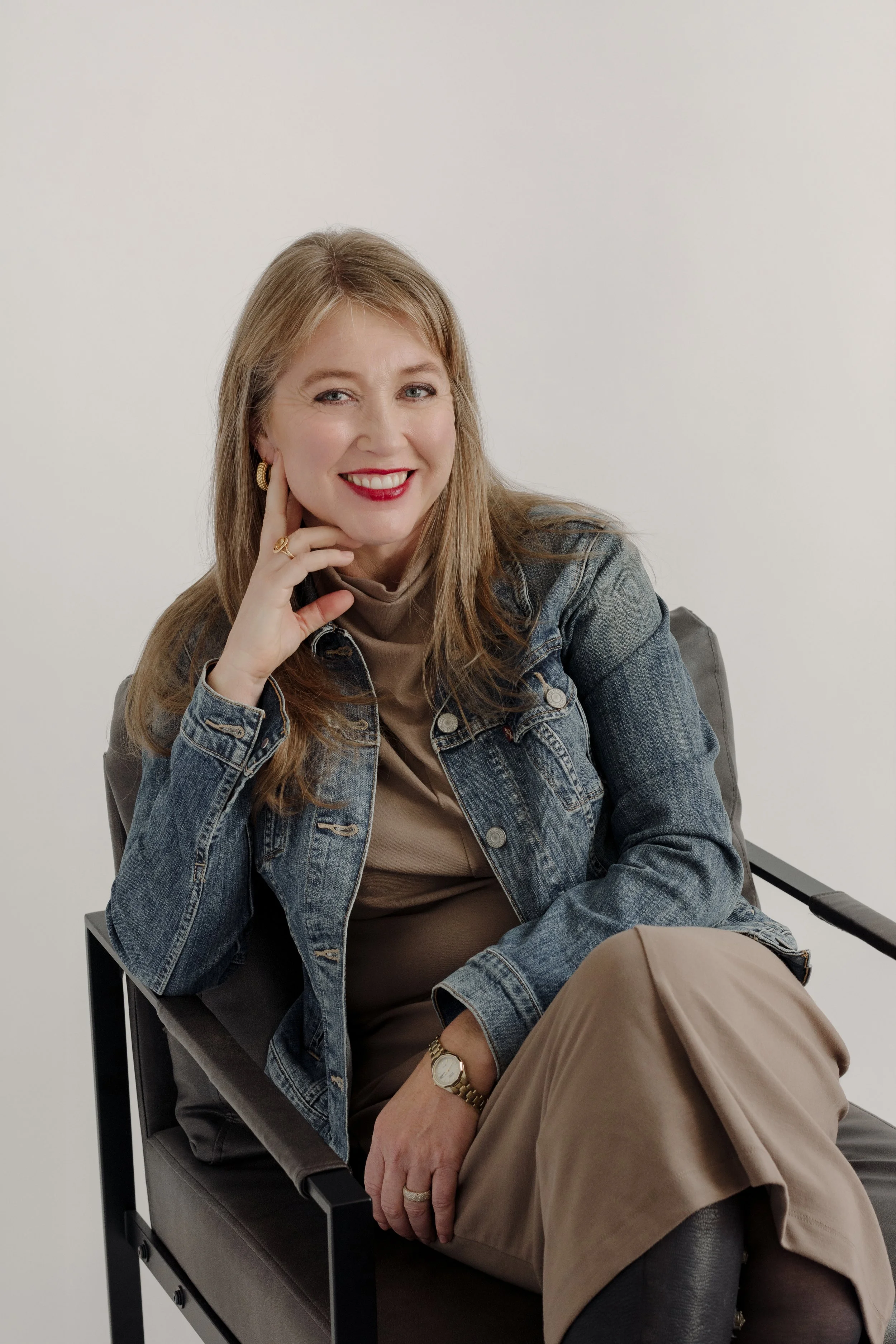
I have been inside the kind of complexity most advisory practices only study.
At Meta, I co-led the company-wide operational response to Covid-19, a black swan event with no playbook and no margin for error while concurrently doubling team size, raising the bar of seniority, and overhauling how a global team of 65 operated, so the team could handle high-priority elections, events, and crises at the level the moment demanded. I built an organizational decision-making framework so effective that it was later adopted by teams well beyond my own. I then led the largest organizational alignment across scaled support operations in a 1,000-person reorg, integrating 95 separate language teams into a common risk prioritization framework and case management tool.
At InterAction, a trade association of US humanitarian and development organizations, I worked at the UN policy level, shaping partnership frameworks between NGOs and UN agencies that remain in use more than a decade later.
At the International Rescue Committee in Pakistan, in response to complex, compounded crisis, I scaled programs and accountability systems from $8M to $36M, raising $52M in program support while managing a workforce of 1,800. I then led the strategic rightsizing of the country program when operational reality required it.
I founded Upward Spiral because organizations rarely fail from a lack of ambition or mission. They fail — or stall — because no one built the structure to keep pace with what the work demanded next. Sometimes that shows up as dysfunction people have quietly tolerated for years. Sometimes it shows up as a fast-moving team that's about to outgrow the systems holding it together. Either way, it's the same problem arriving at a different speed: nobody had the perspective or the dedicated capacity to build ahead of it.
What I’ve Learned
The need to change is not a personal failure. Change simply means the current structure can no longer do what's being asked of it.
Clarity creates momentum. Most stagnation is the result of unclear responsibility and unspoken dynamics.
Structure is a form of care. Clear roles, boundaries, and processes aren't rigid — they empower people to do their best work and protect them from burnout and confusion.
Leadership is not a performance of confidence. It is the practice of accountability — toward the people you serve, the mission you carry, and the organization you are building.
Growth is not linear. Structure determines whether the spiral moves up or down.
How I Work
I diagnose before I prescribe.
I do not assume what an organization needs before I have seen it from the inside. Every engagement begins with an honest assessment of what is actually happening inside the organization.
From there, the path is determined by what the organization actually needs, not a pre-built engagement model. Some organizations complete the diagnostic and have everything they need to move forward on their own. Others recognize that execution requires continued structural support.
The work ends when the organization no longer needs it. That is the point.
What I Am Not
I’m not a coach. I don’t help people feel better about dysfunction.
I help them see it clearly and address it structurally.
I’m not a consultant who delivers a deck and moves on.
I think alongside leadership, stay engaged through implementation, and adapt as reality shifts.
I believe that change works better when people can see beyond their own position, when they can take the work seriously without taking everything personally.
I use clarity, directness, and occasionally humor to help leadership teams see what is possible on the other side of transition.
That’s different from cheerleading, and the people I work with feel the difference immediately.
The Commitment
Every organization I work with receives the same commitment: honest assessment, clear communication, and structural support designed to align with your capacity.
I don’t oversell, nor do I soften what needs to be said. I stay on only as long as the work requires. The goal is always your independence, not an ongoing need.